
Does 925 Silver Tarnish? Everything You Need to Know
Does 925 Silver Tarnish? Everything You Need to Know

Let's start with the question that has probably stopped more people from buying silver jewelry than anything else.
"Does 925 silver tarnish?"
The short answer is yes.
The longer answer is that it shouldn't scare you.
In fact, if your silver jewelry tarnishes occasionally, that's often a sign that it's real.
We know that sounds backwards.
Most of us have been conditioned to believe that any change in jewelry means poor quality. We've been taught to expect our jewelry to look exactly the same forever. So when a silver ring darkens slightly or a necklace loses some of its original shine, panic tends to set in.
Was it fake?
Was it poor quality?
Did I ruin it somehow?
The answer, in most cases, is no.
Tarnishing is one of the most misunderstood parts of owning sterling silver jewelry. And once you understand why it happens, you'll stop seeing it as a flaw and start seeing it as a completely normal part of owning genuine silver.
Let's clear up the confusion.
First, What Exactly Is Tarnishing?
Imagine cutting an apple and leaving it on the kitchen counter.
A few hours later, it starts changing color.
The apple isn't broken.
It's reacting to its environment.
Silver behaves in a somewhat similar way.
925 sterling silver contains 92.5% pure silver and 7.5% strengthening metals, usually copper. Over time, these metals react with substances in the air, creating a thin layer on the surface of the jewelry.
This layer appears as a darker or duller finish.
That's tarnish.
It's a surface reaction, not permanent damage.
The important thing to understand is that tarnishing doesn't mean your jewelry is falling apart.
It simply means your jewelry is alive to its environment.
Why Does Silver Tarnish?
If you've ever noticed that one silver piece tarnishes faster than another, there's a reason.
Several everyday factors can speed up the process.
Humidity is one of the biggest contributors. People living in coastal cities often notice tarnishing more quickly because of the moisture in the air.
Pollution can also play a role.
So can perfumes, lotions, cosmetics, hairsprays, and even certain skincare products.
Believe it or not, your body's natural chemistry matters too.
Two people can wear the exact same bracelet for the exact same amount of time and experience completely different levels of tarnishing.
That's because sweat, skin oils, and even diet can influence how silver reacts.
It's one of the reasons why silver jewelry behaves a little differently for everyone.
Is Tarnishing a Sign of Fake Silver?
This is probably the biggest myth in the jewelry world.
Many people assume that tarnish means the silver isn't genuine.
The opposite is often true.
Authentic sterling silver naturally tarnishes over time.
Fake silver jewelry usually behaves differently.
Instead of developing a removable surface layer, plated jewelry often loses its coating altogether.
The silver-colored finish begins peeling or wearing away, exposing a different metal underneath.
That's not tarnishing.
That's deterioration.
Real silver tarnishes.
Fake silver often fades.
Understanding that distinction can save you from a lot of unnecessary worry.
Why Some Silver Jewelry Never Seems to Tarnish
If genuine silver tarnishes, why do some people claim their jewelry never changes?
There are a few possible reasons.
The first is frequency of wear.
Interestingly, silver jewelry that is worn regularly often tarnishes less than jewelry stored away for months.
Daily wear helps reduce the buildup that leads to tarnishing.
The second reason is protective finishes.
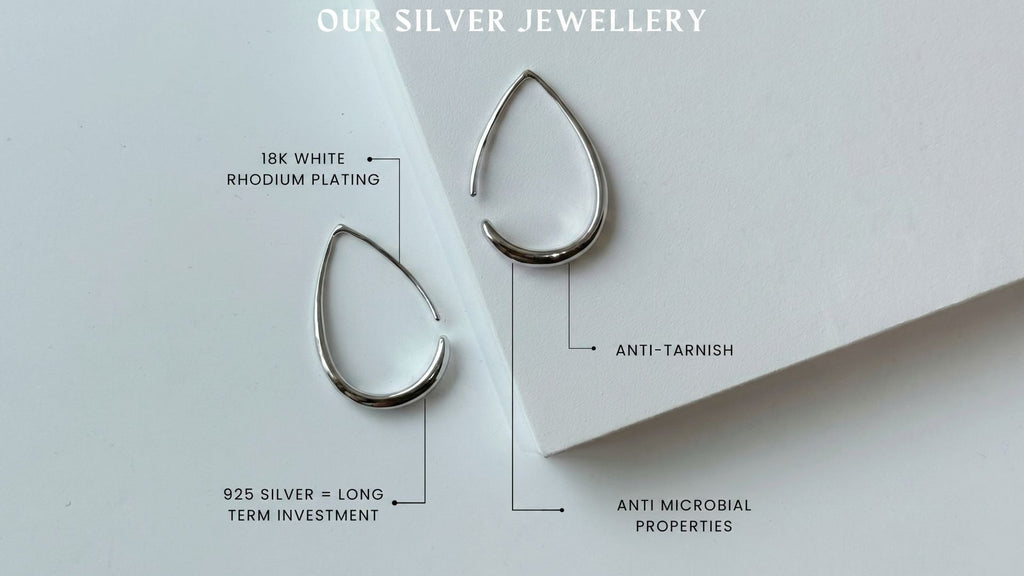
Many modern sterling silver pieces include rhodium plating or anti-tarnish treatments that slow down oxidation.
This doesn't make the jewelry less authentic.
It simply helps preserve the shine for longer.
And finally, environmental factors matter.
Someone living in a dry climate may experience significantly less tarnishing than someone living in a humid coastal city.
The Good News: Tarnish Is Usually Easy to Remove
This is where sterling silver separates itself from many other materials.
Tarnish looks dramatic.
But it's often surprisingly easy to fix.
A proper silver polishing cloth can restore shine in just a few minutes.
Gentle silver-cleaning solutions can help remove stubborn tarnish.
Even professional cleaning can make older pieces look remarkably new again.
That's because tarnish sits on the surface.
It doesn't erase the silver underneath.
Think of it like dust on a beautiful mirror.
The mirror hasn't changed.
It just needs cleaning.
Can You Prevent Silver From Tarnishing?
Not completely.
And honestly, that's okay.
Trying to stop silver from ever tarnishing is a bit like trying to stop leather from aging or flowers from blooming.
It's part of the material's natural character.
What you can do is slow the process.
Store your jewelry in a cool, dry place.
Keep pieces away from excessive moisture.
Avoid spraying perfume directly onto jewelry.
Remove jewelry before swimming.
Store pieces individually to reduce scratching and exposure to air.
These small habits can make a noticeable difference over time.
The Mistake Most People Make
The biggest mistake isn't wearing silver.
It's not wearing silver.
Many people buy a beautiful necklace or bracelet and then save it for special occasions.
Weeks become months.
Months become years.
The jewelry spends most of its life sitting in a box.
Ironically, that's often when tarnish develops fastest.
Silver loves being worn.
The natural movement, friction, and contact with skin can help keep pieces looking brighter.
So if you've been waiting for the perfect occasion to wear your favorite silver jewelry, consider this your sign.
Wear it.
The memories are worth more than preserving an untouched shine.
Does Tarnishing Affect the Value of Silver Jewelry?
Not at all.
Tarnish affects appearance, not the actual silver content.
Your sterling silver remains sterling silver.
The precious metal itself doesn't disappear because the surface darkens slightly.
This is why antique silver pieces that are decades or even centuries old can still be restored and enjoyed today.
The value remains in the material and craftsmanship.
Tarnish is simply part of the journey.
Why Silver Is Still Worth Choosing
If silver tarnishes, why do so many people continue choosing it?
Because the benefits far outweigh the inconvenience.
Silver is timeless.
Versatile.
Elegant.
Durable.
Suitable for everyday wear.
And unlike many trend-driven materials, sterling silver has been loved for generations.
People don't choose silver because it stays untouched forever.
They choose silver because it remains beautiful even after years of life, wear, and memories.
There's something reassuring about a material that isn't disposable.
Something meaningful about jewelry that grows with you rather than simply wearing out.
The Final Verdict
So, does 925 silver tarnish?
Yes.
And that's completely normal.
Tarnishing isn't a sign of poor quality.
It's not evidence that your jewelry is fake.
And it's certainly not a reason to avoid sterling silver.
It's simply a natural characteristic of a genuine precious metal.
The good news is that tarnish can usually be cleaned, managed, and prevented from becoming a major issue with proper care.
So the next time your silver jewelry loses a little shine, don't panic.
You're not looking at damage.
You're looking at proof that you're wearing the real thing.
At Himtaj, every piece is crafted from authentic 925 sterling silver because we believe jewelry should be made to accompany your life, not sit untouched in a box. A little tarnish can always be polished away. The memories attached to your jewelry are the part that truly lasts.
